
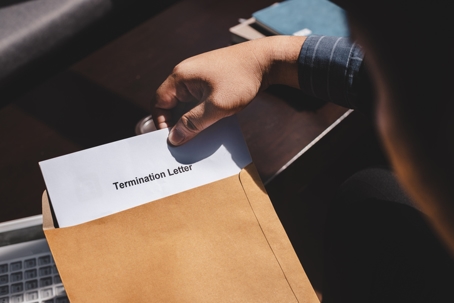
Losing your job can be one of life’s most stressful experiences—especially when it feels unfair. Whether you were let go unexpectedly or believe you were wrongfully terminated, understanding your rights under New Hampshire law is essential.
New Hampshire follows what’s known as the “at-will employment” rule, but that doesn’t mean employers can fire someone for any reason. There are important exceptions and legal protections in place for workers. Here’s what you need to know if you’ve been fired in New Hampshire.
Understanding At-Will Employment in New Hampshire
In New Hampshire, most employees work “at-will.” This means either the employee or the employer can end the employment relationship at any time, with or without notice, and for nearly any reason—or no reason at all.
However, there are key exceptions to this rule. Employers cannot terminate an employee for reasons that violate state or federal law, breach a contract, or conflict with public policy.
Illegal Reasons for Termination
Even under at-will employment, there are certain reasons for firing an employee that are unlawful. Under New Hampshire and federal law, it’s illegal for an employer to terminate someone based on:
- Discrimination: Employers are prohibited from firing employees due to their race, color, gender, religion, national origin, age, disability, or sexual orientation.
- Retaliation: It’s unlawful to fire an employee for reporting workplace discrimination, harassment, or illegal activity.
- Whistleblowing: New Hampshire’s RSA 275-E protects employees who report violations of law, safety issues, or unethical behavior from retaliation.
- Filing a Complaint or Claim: Employees cannot be terminated for filing a workers’ compensation claim or asserting wage and hour rights.
If you suspect any of these reasons played a role in your termination, you may have grounds for a wrongful termination claim.
What Counts as Wrongful Termination in New Hampshire?
Wrongful termination occurs when an employer fires an employee for an unlawful reason or in violation of the terms of an employment contract. Some common examples include:
- Firing an employee after they report unsafe workplace conditions
- Terminating someone for refusing to engage in illegal conduct
- Letting an employee go in violation of a written or implied employment agreement
Even though New Hampshire is an at-will state, the law provides important protections for employees who are treated unfairly.
What To Do If You Believe You Were Wrongfully Terminated
If you believe your termination was illegal, take these steps as soon as possible:
- Document everything. Write down details about your termination, including conversations, emails, or performance reviews.
- Collect evidence. Keep copies of employment contracts, handbooks, pay records, and any written communication related to your firing.
- Avoid signing anything right away. Some employers ask employees to sign severance agreements or waivers—consult with an attorney before doing so.
- File a complaint. Depending on the type of claim, you may need to file with the New Hampshire Commission for Human Rights or the Equal Employment Opportunity Commission (EEOC).
- Speak with an employment law attorney. An attorney can help you assess your situation, file the necessary claims, and pursue compensation if your rights have been violated.
New Hampshire Employment Law Attorneys
No one should face losing their job because they spoke up, stood up for their rights, or refused to participate in unlawful practices. At Upton & Hatfield, LLP, we’re committed to protecting employees across New Hampshire who have been wrongfully terminated, discriminated against, or retaliated against in the workplace.
If you’ve been fired and believe your termination was unfair or illegal, contact Upton & Hatfield, LLP today at (603) 716-9777 for a consultation. Our experienced employment law attorneys can help you understand your rights and determine the best path forward.