
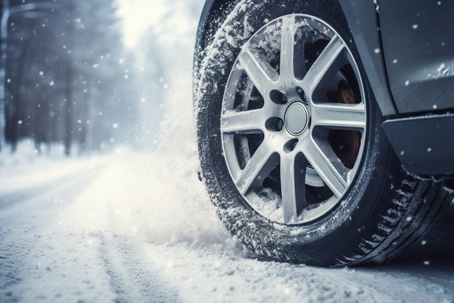
New Hampshire’s winters are beautiful—but also unpredictable. Snow, ice, and freezing rain can transform a routine drive into a dangerous situation in seconds. Every year, winter weather contributes to hundreds of motor vehicle accidents across the state. However, when these conditions contribute to a crash, a crucial question arises: who is legally responsible?
Understanding how New Hampshire law views winter driving conditions can help you protect your rights if you’re involved in an accident.
Winter Weather Doesn’t Eliminate Driver Responsibility
While it’s true that snow and ice make driving more dangerous, poor weather conditions don’t excuse negligent driving. In New Hampshire, drivers are expected to operate their vehicles safely in accordance with the prevailing conditions. This means that each driver has a duty to adjust their behavior—reducing speed, increasing following distance, and exercising extra caution when visibility or traction is limited.
For example, if a driver fails to slow down on icy roads and rear-ends another vehicle, they can still be found at fault for the accident, even if the road conditions contributed to the loss of control. The key question is whether the driver acted reasonably under the circumstances.
Common Causes of Winter Weather Accidents
Winter driving accidents often result from a combination of hazardous conditions and driver error. Some of the most common causes include:
- Driving too fast on snowy or icy roads
- Failing to clear snow or ice from windshields or roofs
- Following other vehicles too closely
- Improper braking on slippery surfaces
- Poor vehicle maintenance, such as worn tires or faulty brakes
New Hampshire law also requires drivers to remove snow and ice from their vehicles before driving. Failing to do so can result in fines and potential liability if flying debris causes an accident or injury.
Determining Liability After a Winter Crash
Liability in winter accidents can be complex. Insurance companies and investigators look closely at the circumstances surrounding the crash to determine fault. Evidence such as skid marks, vehicle damage, witness statements, and police reports all play a role.
Sometimes, liability may be shared between drivers. For example, one driver may have been speeding while another failed to yield at an intersection. In these situations, New Hampshire’s comparative fault law applies.
Under this law, each party’s degree of fault is assessed, and compensation is adjusted accordingly. If you are found to be less than 51% at fault, you may still recover damages, though your percentage of fault reduces your award.
Steps to Take After a Winter Weather Accident
If you’re involved in a crash during winter conditions, taking the right steps can protect your safety and your claim:
- Call 911 immediately to report the accident and request medical assistance if needed.
- Move to safety if your vehicle is in a dangerous location.
- Document the scene by taking photos of the road conditions, vehicle damage, and the surrounding area.
- Exchange information with other drivers and witnesses.
- Seek medical care even for minor injuries, as symptoms may appear later.
- Contact an experienced personal injury attorney to discuss your legal options before speaking with insurance adjusters.
Protecting Your Rights After a Winter Accident
Winter weather accidents can leave victims facing serious injuries, costly vehicle repairs, and uncertainty about who is at fault. Having an experienced attorney on your side can make all the difference.
New Hampshire Personal Injury Attorneys
At Upton & Hatfield, LLP, we help individuals across New Hampshire navigate the complexities of personal injury claims, including motor vehicle accidents caused by winter conditions. Our team is committed to protecting your rights and pursuing the compensation you deserve.
If you’ve been injured in a winter driving accident, contact Upton & Hatfield, LLP today at (603) 716-9777 for a consultation. We’re here to help you move forward with confidence.